Veterinary technicians are essential in the domain of pet care, bridging the gap between veterinarians and pet owners. Their expertise allows for effective preliminary assessments, medication administration, and diagnostic testing. This role not only supports the health of animals but also educates owners on ideal care practices. Understanding the nuances of this profession reveals the profound impact these technicians have on both pets and their families, prompting further exploration into their daily responsibilities and evolving skill sets.
Key Takeaways
- Veterinary technicians conduct assessments, administer medications, and monitor patient responses, ensuring effective care for animals.
- They educate pet owners on nutrition, preventive care, and behavioral issues, empowering informed decision-making.
- Compassionate communication builds trust between veterinary technicians, pet owners, and their pets, enhancing the veterinary experience.
- Technicians are increasingly involved in advanced diagnostics, anesthesia monitoring, and telemedicine, expanding their role in pet care.
- Their expertise fosters a positive environment, promoting overall pet health and well-being through education and support.
The Importance of Veterinary Technicians in Animal Health
Compassion is a cornerstone of veterinary care, and veterinary technicians play a crucial role in ensuring the health and well-being of animals. They serve as essential support to veterinarians, providing critical assistance in diagnostics, treatment, and patient care. Their extensive knowledge of animal anatomy, behavior, and health protocols allows them to recognize early signs of illness, contributing to timely interventions. By building trust with both pets and their owners, veterinary technicians foster a sense of belonging in the veterinary environment. They educate pet owners on proper care practices, ensuring that animals receive the best possible attention at home. Ultimately, the role of veterinary technicians in pet care is crucial, as they are dedicated advocates for the animals they serve, enhancing overall animal health outcomes.
Daily Responsibilities of Veterinary Technicians
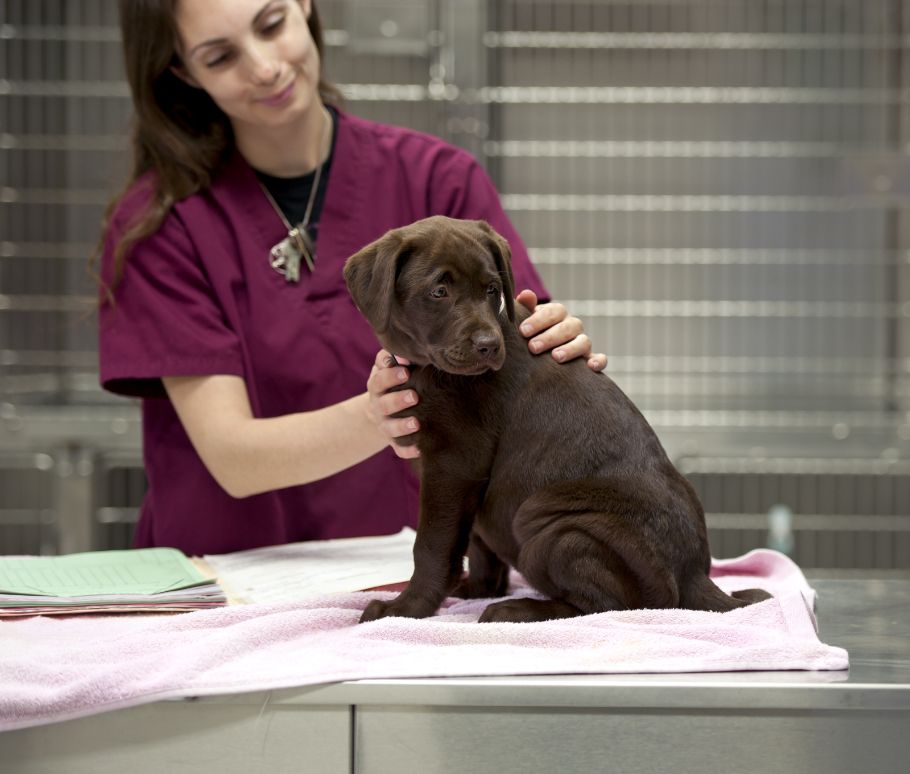
Veterinary technicians are integral to the smooth operation of veterinary clinics, engaging in a variety of daily responsibilities that guarantee both animal welfare and efficient practice management. Their role of veterinary technicians in pet care encompasses essential tasks that guarantee a supportive environment for pets and their owners. Key responsibilities include:
- Assisting in examinations – Conducting preliminary assessments to gather important health information.
- Administering medications – Confirming pets receive the correct dosages and monitoring for side effects.
- Performing diagnostic tests – Collecting samples and running lab tests to aid in accurate diagnoses.
- Educating pet owners – Providing guidance on proper care practices and preventive measures.
Through these daily tasks, veterinary technicians foster a compassionate atmosphere that promotes both animal health and community trust.
The Impact of Veterinary Technicians on Pet Owners
A significant influence on pet owners’ experiences and understanding of animal care comes from veterinary technicians. These professionals serve as an essential link between veterinarians and pet owners, providing guidance and support throughout the pet care journey. By offering education on topics such as nutrition, preventive care, and behavioral issues, veterinary technicians empower pet owners to make informed decisions that promote their pets’ well-being. Their compassionate communication fosters trust and reassurance, helping owners feel more connected and confident in their caregiving roles. Additionally, veterinary technicians often advocate for pets’ needs, ensuring that owners are aware of available resources and treatments. Ultimately, the role of veterinary technicians in pet care not only enhances the health of animals but also strengthens the bond between pets and their owners.
Skill Sets Required for Veterinary Technicians
While the role of veterinary technicians in pet care is essential, their success relies heavily on a diverse set of skills and competencies. These professionals must possess a thorough understanding of animal health, as well as the ability to communicate effectively with pet owners. Key skills include:
- Technical Proficiency: Mastery of medical procedures and equipment used in veterinary practices.
- Compassionate Care: An innate ability to empathize with both pets and their owners, providing comfort during stressful times.
- Critical Thinking: The capacity to assess situations and make informed decisions rapidly.
- Team Collaboration: Strong interpersonal skills to work effectively with veterinarians and other staff members.
Advancements in the Role of Veterinary Technicians in Pet Care
The evolving landscape of pet care has greatly transformed the role of veterinary technicians in recent years. As the demand for specialized services increases, veterinary technicians are now taking on expanded responsibilities, including advanced diagnostic procedures and anesthesia monitoring. Their involvement in telemedicine has also grown, allowing them to support pet owners remotely while ensuring pets receive timely care. Moreover, the emphasis on preventive care has led technicians to play crucial roles in educating pet owners about nutrition and wellness. These advancements not only enhance the quality of care provided but also foster a stronger bond between pets, their owners, and veterinary teams. Ultimately, the evolving role of veterinary technicians in pet care reflects a commitment to compassionate service and thorough health management.
Conclusion
In summary, veterinary technicians are indispensable in the domain of pet care, bridging the gap between veterinarians and pet owners. Their expertise not only enhances the health and well-being of animals but also empowers owners with essential knowledge for responsible pet care. As advocates for animal welfare, they play a critical role in fostering trust and compassion within the veterinary community. The ongoing advancements in their roles further highlight their importance in ensuring a brighter future for pets and their families.
 Paw Sage